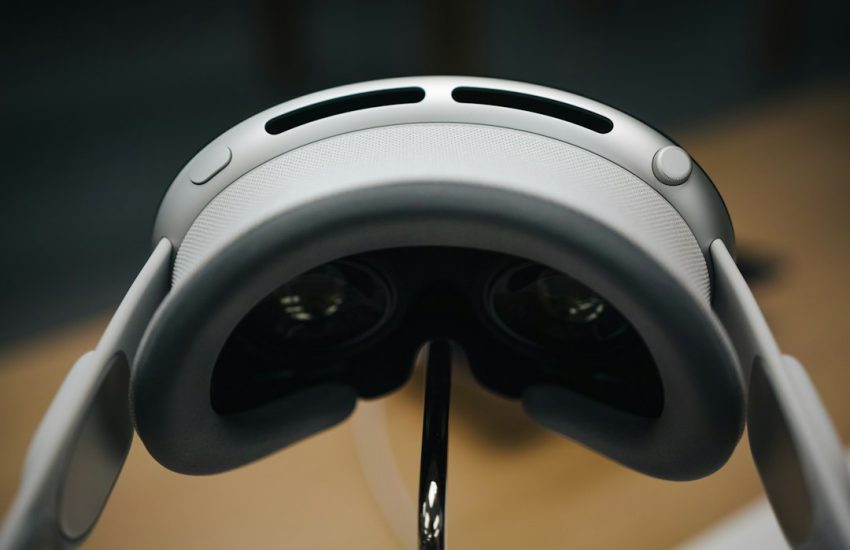
In today’s fast-paced world, technology continues to evolve, offering innovative solutions that enhance our daily lives. Smart gadgets are at the forefront of this transformation, providing convenience, efficiency, and improved quality of life. As we look ahead, the next year promises exciting advancements in smart technology that will further integrate into our lifestyles.
Connected Health Devices
Connected health devices are revolutionizing the way we monitor and manage our health. These gadgets, such as smartwatches and fitness trackers, allow users to keep track of vital signs, activity levels, and even sleep patterns. By providing real-time data, they empower individuals to make informed health decisions and encourage proactive wellness management.
Moreover, the integration of these devices with telehealth services is set to grow, enabling remote consultations and continuous health monitoring. This trend not only enhances patient engagement but also reduces the burden on healthcare systems, making healthcare more accessible and efficient.
AI-Powered Personal Assistants
AI-powered personal assistants are becoming indispensable in managing our daily tasks. These smart assistants, like Amazon’s Alexa and Google Assistant, can control smart home devices, set reminders, and provide information with just a voice command. Their ability to learn user preferences over time enhances their functionality, making them more intuitive and user-friendly.
As we move into the upcoming year, we can expect these assistants to become even more integrated into our lives, with improved natural language processing and contextual understanding. This will allow for more seamless interactions and a greater ability to anticipate user needs, ultimately saving time and enhancing productivity.
Smart Home Automation
Smart home automation is transforming how we interact with our living spaces. From smart thermostats that learn our heating preferences to automated lighting systems that adjust based on occupancy, these technologies provide comfort and energy efficiency. Homeowners can control these systems remotely, ensuring their homes are always optimized for their needs.
In the coming year, we anticipate an increase in interoperability among devices, allowing for a more cohesive smart home ecosystem. This will enable users to create customized routines that enhance their lifestyle, such as automated morning routines that prepare the home for the day ahead.
IoT Device Integration
The Internet of Things (IoT) is a game-changer in how devices communicate and work together. IoT device integration allows for seamless connectivity between various gadgets, creating a unified experience. For instance, your refrigerator can communicate with your grocery app to notify you when supplies are low, streamlining your shopping experience.
As IoT technology advances, we expect to see more sophisticated integrations that enhance convenience and efficiency. This will not only simplify daily tasks but also contribute to smarter energy management and resource utilization in homes and businesses.
Smart Security Solutions
Security is a top priority for homeowners, and smart security solutions are leading the way in providing peace of mind. From smart cameras to doorbell systems that allow for remote monitoring, these devices enhance home security significantly. Users can receive alerts and view live feeds from their smartphones, ensuring they are always connected to their home environment.
Looking ahead, we can expect advancements in AI-driven security features, such as facial recognition and anomaly detection, which will further enhance the effectiveness of these systems. This will not only deter potential intruders but also provide users with valuable insights into their home security.
Virtual Reality Experiences
Virtual reality (VR) is no longer confined to gaming; it is expanding into various sectors, including education, training, and entertainment. VR experiences can transport users to different environments, providing immersive learning and engagement opportunities. This technology is particularly beneficial in training scenarios where real-world practice is essential.
As VR technology continues to evolve, we anticipate more accessible and affordable solutions that can be integrated into everyday life. This will open up new avenues for social interaction, education, and entertainment, making VR a staple in modern lifestyles.
Smart Wearable Technology
Smart wearable technology is gaining traction as consumers seek devices that enhance their daily routines. From smartwatches that track fitness to smart glasses that provide augmented reality experiences, wearables are becoming essential tools for personal and professional use. They offer convenience and functionality, allowing users to stay connected and informed on the go.
In the upcoming year, we expect to see advancements in battery life and functionality, making wearables even more appealing. With features like health monitoring and seamless connectivity, these devices will continue to integrate into our lives, enhancing our ability to manage tasks and stay healthy.
Energy Management Systems
Energy management systems are critical in promoting sustainability and reducing energy costs. These systems allow users to monitor and control their energy consumption, leading to more efficient usage. With the rise of smart meters and energy-efficient appliances, homeowners can make informed decisions about their energy habits.
As we look to the future, the integration of renewable energy sources with smart energy management systems will become more prevalent. This will not only help reduce carbon footprints but also empower users to take control of their energy consumption, leading to a more sustainable lifestyle.
