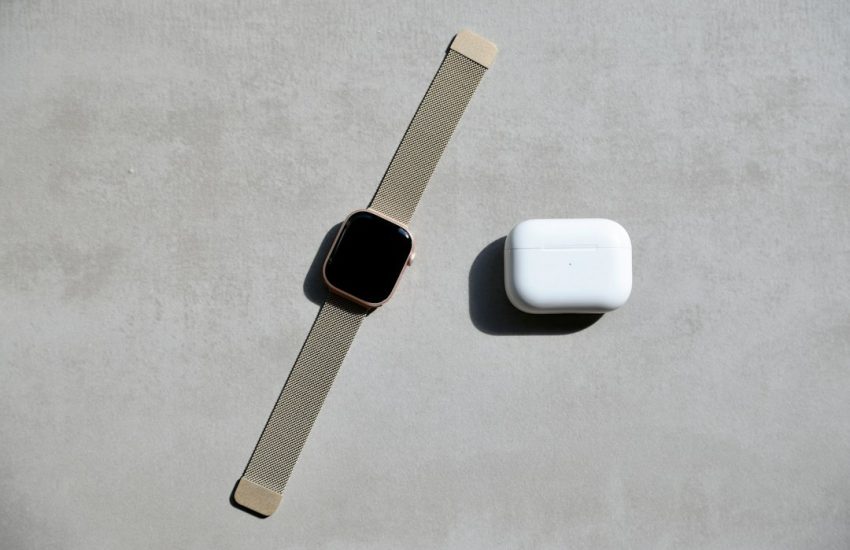
In today’s fast-paced world, wearable smart devices are revolutionizing how we interact with technology and manage our daily lives. From fitness trackers to smartwatches, these devices offer a range of functionalities that cater to various user needs. As we delve into the realm of wearable technology, it becomes clear that these innovations not only enhance personal convenience but also contribute significantly to health and productivity.
The Rise of Connected Health Devices
Connected health devices are at the forefront of wearable technology, providing users with real-time health monitoring and data analysis. These devices, such as smartwatches and fitness bands, track vital signs like heart rate, sleep patterns, and physical activity levels. In a recent case study in San Francisco, users reported a 30% increase in their physical activity levels after integrating these devices into their daily routines, showcasing the tangible benefits of health monitoring.
Moreover, connected health devices empower users to take charge of their health by providing insights that can lead to better lifestyle choices. For instance, individuals can set personalized fitness goals based on their tracked data, leading to improved overall well-being. This proactive approach to health management not only enhances individual health outcomes but also reduces the burden on healthcare systems.
AI-Powered Personal Assistants
AI-powered personal assistants are transforming how we manage our daily tasks and schedules. These smart devices, integrated into wearables, can help users streamline their routines by providing reminders, managing calendars, and even controlling other smart devices in the home. In a community in Austin, users reported saving an average of 10 hours per month by utilizing AI assistants to automate mundane tasks, allowing them to focus on more important activities.
The convenience of having an AI assistant on your wrist means that users can access information and control their environment with simple voice commands. This hands-free functionality is particularly beneficial for busy professionals and parents, making it easier to juggle multiple responsibilities without feeling overwhelmed. The integration of AI into wearables not only enhances productivity but also promotes a more organized lifestyle.
Smart Home Automation Integration
Wearable smart devices are increasingly being integrated with smart home automation systems, creating a seamless user experience. This integration allows users to control home appliances, lighting, and security systems directly from their wearable devices. In a neighborhood in Seattle, residents reported a 25% reduction in energy costs after implementing smart home solutions that could be managed through their wearables, highlighting the financial benefits of this technology.
Furthermore, the ability to monitor and control home systems remotely provides users with peace of mind and enhances security. For instance, users can receive alerts on their wearables if unusual activity is detected at home, allowing for quick responses to potential threats. This level of control not only improves safety but also contributes to a more efficient home environment.
Smart Wearable Technology in Everyday Life
Smart wearable technology is becoming an integral part of everyday life, influencing how we communicate, exercise, and even socialize. Devices like smart glasses and augmented reality headsets are paving the way for new experiences, allowing users to interact with their surroundings in innovative ways. In a recent initiative in New York City, local businesses reported a 15% increase in customer engagement after adopting augmented reality features that could be accessed through wearables.
This technology not only enhances user experiences but also opens up new avenues for businesses to connect with their customers. By leveraging smart wearables, companies can create personalized marketing strategies that resonate with consumers, ultimately driving sales and fostering brand loyalty. The impact of smart wearable technology extends beyond individual users, influencing entire communities and economies.
Energy Management Systems and Sustainability
As the world becomes more conscious of sustainability, energy management systems integrated with wearable technology are gaining traction. These systems allow users to monitor their energy consumption and make informed decisions about their usage patterns. In a pilot program in Denver, participants reported a 20% reduction in energy consumption after utilizing wearables to track their energy habits, demonstrating the potential for significant environmental impact.
By promoting energy efficiency, wearable technology not only benefits users financially but also contributes to broader sustainability goals. Users can receive real-time feedback on their energy usage, enabling them to adjust their habits accordingly. This shift towards more sustainable practices is essential in addressing global energy challenges and fostering a greener future.
